Piggyback: The Elegant Sans Serif Typeface for Modern Branding
I still remember the exact moment I realized my initial logo concept was failing. It was 10 PM on a Tuesday, and I was staring at a blank Figma file for a local artisanal skincare brand. The client wanted something clean, approachable, but undeniably premium. My first instinct was to reach for a standard geometric sans serif—something safe, ubiquitous, and predictable. But as I placed the text on the mockup, it felt flat. It lacked character. It didn’t speak to the organic, handcrafted nature of the products.
That’s when I decided to test Piggyback. I had seen this elegant Sans Serif typeface mentioned in a few design circles, but I hadn’t actually used it in a real-world project until that night. What started as a quick experiment turned into the foundation of an entire visual identity system. If you are a graphic designer, freelancer, or creative studio owner looking for a versatile font that bridges the gap between modern minimalism and sophisticated elegance, Piggyback might just be the missing piece in your toolkit.
First Impressions: Why Piggyback Stands Out
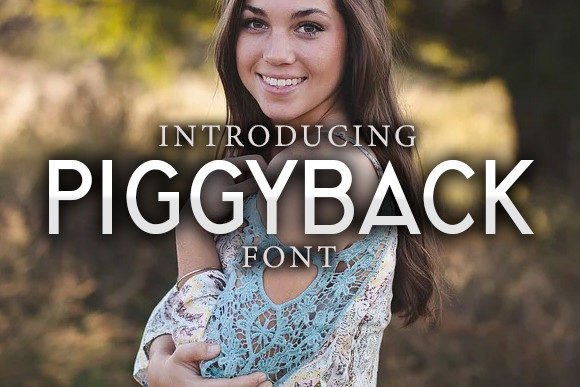
The moment I opened the font files, the quality was apparent. This isn’t just another free download with sloppy kerning. Piggyback is a well-crafted typeface with a distinct personality. Visually, it strikes a balance that many designers struggle to find: it is clean enough for high-end editorial design but has enough subtle curves and structural interest to feel warm and inviting.
Unlike some ultra-thin display fonts that lose legibility at smaller sizes, Piggyback maintains its integrity across different scales. The x-height is generous, which immediately boosts readability. When I tested it on a dark background for a social media banner, the white space around the letters felt intentional, not cramped. It exudes a mood of calm professionalism. For a brand identity, this is crucial. You want your typography to communicate reliability before the customer even reads the tagline.
As a creative font within the broader category of Sans Serif fonts, Piggyback avoids the sterile look of corporate Helvetica clones. Instead, it offers a refined aesthetic that feels contemporary yet timeless. It doesn’t scream for attention; it invites the viewer in. This subtlety makes it incredibly powerful for branding projects where you want the product or service to shine, rather than having the typography overpower the message.
From Logo Drafts to Packaging Design
In our skincare brand case study, we needed a logo that would work equally well on a tiny jar label and a large storefront sign. I started by testing Piggyback in various weights. The lighter weights provided a delicate, luxurious feel perfect for the primary logo mark. However, the true strength of Piggyback revealed itself when we moved to secondary applications.
For the packaging design, we used the medium weight for ingredient lists and care instructions. Because it is a Sans Serif font, it remains highly legible even when printed in small point sizes on textured paper stock. This is a common pain point for designers; many "display" fonts fall apart when scaled down. Piggyback, however, holds up beautifully. It ensures that your brand identity remains consistent from the hero section of a website to the fine print on a product box.
We also experimented with using Piggyback for marketing materials like flyers and business cards. On a minimalist business card with plenty of negative space, the font added a touch of sophistication without feeling pretentious. It paired exceptionally well with a matte finish and a simple color palette. The result was a tangible asset that felt expensive and thoughtfully designed. Clients often notice these details subconsciously, and they contribute significantly to perceived value.
Typography Pairing and Visual Hierarchy
No typeface exists in isolation, and one of the most exciting parts of working with Piggyback is discovering how it pairs with other fonts. Since Piggyback is an elegant Sans Serif, it naturally complements both serif fonts and handwritten styles, depending on the brand voice you want to convey.
- Pairing with a Serif Font: For brands that want to emphasize heritage, trust, or literary quality, pairing Piggyback with a classic serif creates a beautiful contrast. The clean lines of the Sans Serif anchor the more decorative serif, creating a balanced hierarchy. This combination works wonderfully for editorial design, blog headers, and magazine-style layouts.
- Pairing with a Script or Handwritten Font: To add a human touch, Piggyback serves as an excellent supporting typeface. When used alongside a script font for accents or signatures, the structured nature of Piggyback provides stability. It prevents the design from becoming too chaotic. This is particularly effective for lifestyle brands, boutique shops, and creative studios that want to appear friendly yet professional.
- Modern Typography Styles: For a purely modern look, sticking to different weights of Piggyback alone can create striking visual hierarchy. Using bold weights for headlines and light weights for body copy allows for a monochromatic, sleek aesthetic that is very popular in tech and fashion web design.
When designing for digital platforms, such as website headers or Instagram posts, this versatility is key. You need a font that looks good on a mobile screen and a desktop monitor. Piggyback’s clear letterforms ensure that your message is understood quickly, which is essential for user engagement in today’s fast-paced digital environment.
Practical Tips for Testing Before You Commit
Before incorporating any premium font into a full brand system, I always recommend a rigorous testing phase. Here is how I approached Piggyback to ensure it was the right fit:
- Check Included Styles: First, verify what weights and styles are included in the package. Does it have italics? Bold variants? Light options? Having a comprehensive set of styles allows for greater flexibility in layout design.
- Test Multilingual Support: If your brand operates internationally or serves a diverse audience, check for extended character sets and diacritical marks. A font might look great in English but fail miserably if it lacks support for accented characters needed in other languages.
- Analyze File Formats: Ensure you receive industry-standard formats like OTF and TTF. These are compatible with most design software, including Adobe Creative Cloud, Affinity Suite, and Canva (depending on the platform).
- Mockup Real Scenarios: Don’t just look at the font in a Word document. Create realistic mockups. Place the text on a curved surface for a bottle label. Overlay it on a busy photograph for a social media ad. See how it interacts with images and colors.
- Review Licensing: Always read the commercial font license carefully. Understand whether you need a desktop license, a web font license, or an app license. Proper licensing protects your business from legal issues and supports the type designer.
Why Piggyback Fits Your Next Project
Whether you are designing a brand identity for a new startup, creating templates for content creators, or crafting design assets for a craft fair, Piggyback offers a reliable and stylish solution. Its elegance makes it suitable for high-end sectors like luxury goods and beauty, while its clarity keeps it grounded for practical uses like informational flyers and event banners.
I found that once I switched to Piggyback, my design process became smoother. There was less hesitation about whether the typography "felt right." It simply worked. It provided a strong foundation upon which I could build other elements like color, imagery, and layout. For any designer tired of overused typefaces, Piggyback offers a refreshing alternative that elevates the overall quality of the work.
If you are looking to add a touch of refined simplicity to your next creative project, give Piggyback a try. It’s the kind of tool that quietly improves every aspect of your design, making your work look more polished, professional, and cohesive. In the world of fonts, sometimes the best choice is the one that fits seamlessly into your vision without demanding unnecessary attention. That is exactly what Piggyback does.